Therapeutic Life Coaching for Chronic Stress

Getting Everything Done Might Be Taking Too Much Out Of You.


Silhouetted tall grass and wheat stalks standing against a moody dark sky with a glowing warm orange sunset on the horizon.
Side profile of a young man with curly hair wearing a white shirt, sitting with eyes closed in a field of blooming purple lupine flowers.
You might be keeping up with work, home, and the people who rely on you while feeling completely worn down underneath it all. Like no matter how much you do, the work never really seems to end. Therapeutic life coaching for chronic stress gives you a place to understand what is creating so much pressure, decide what needs to change, and practice changes that fit your actual life.

Why People Reach Out About Chronic Stress

You Are Managing A Lot, But It Is Costing You.

You get through the meeting, answer the messages, remember what everyone needs, and keep the day moving. Later, when there is finally a quiet moment, your mind is still reviewing what happened and what needs to happen next. Even rest can feel like another thing you have to do correctly.

At some point, getting through the day stops feeling like enough.

You may know your current pace isn’t working, but slowing down can feel complicated when people depend on you and the responsibilities are real. Coaching gives us room to sort out what truly needs your attention, what can change, and what you need to feel more steady in your own life.


Side profile of a woman with natural curly hair and hoop earrings smiling peacefully with her eyes closed while hugging her knees.

Is Chronic Stress Coaching Right for You

This kind of coaching may be a good fit if you are:
A happy man walking along a grassy dune path on the beach during golden hour.

What Changes When You Are Not Carrying It Alone

Before Chronic Stress Coaching

After Chronic Stress Coaching

How Therapeutic Life Coaching for Chronic Stress Works

We Start By Making The Pressure Easier To Understand.

Knowing you need a change and knowing where to begin are different things. We start with what is happening now, look for the patterns and expectations that keep adding pressure, and choose one change you can practice in your daily life. We keep checking what is helping and adjust as your circumstances change, so the work stays personal, practical, and flexible.

This can include:

Two happy women standing back-to-back in a grassy field laughing, one with straight hair wearing a white shirt and the other with curly hair in a red top.

About Christman Coaching

I Will Meet You Honestly And Help You Move Forward.

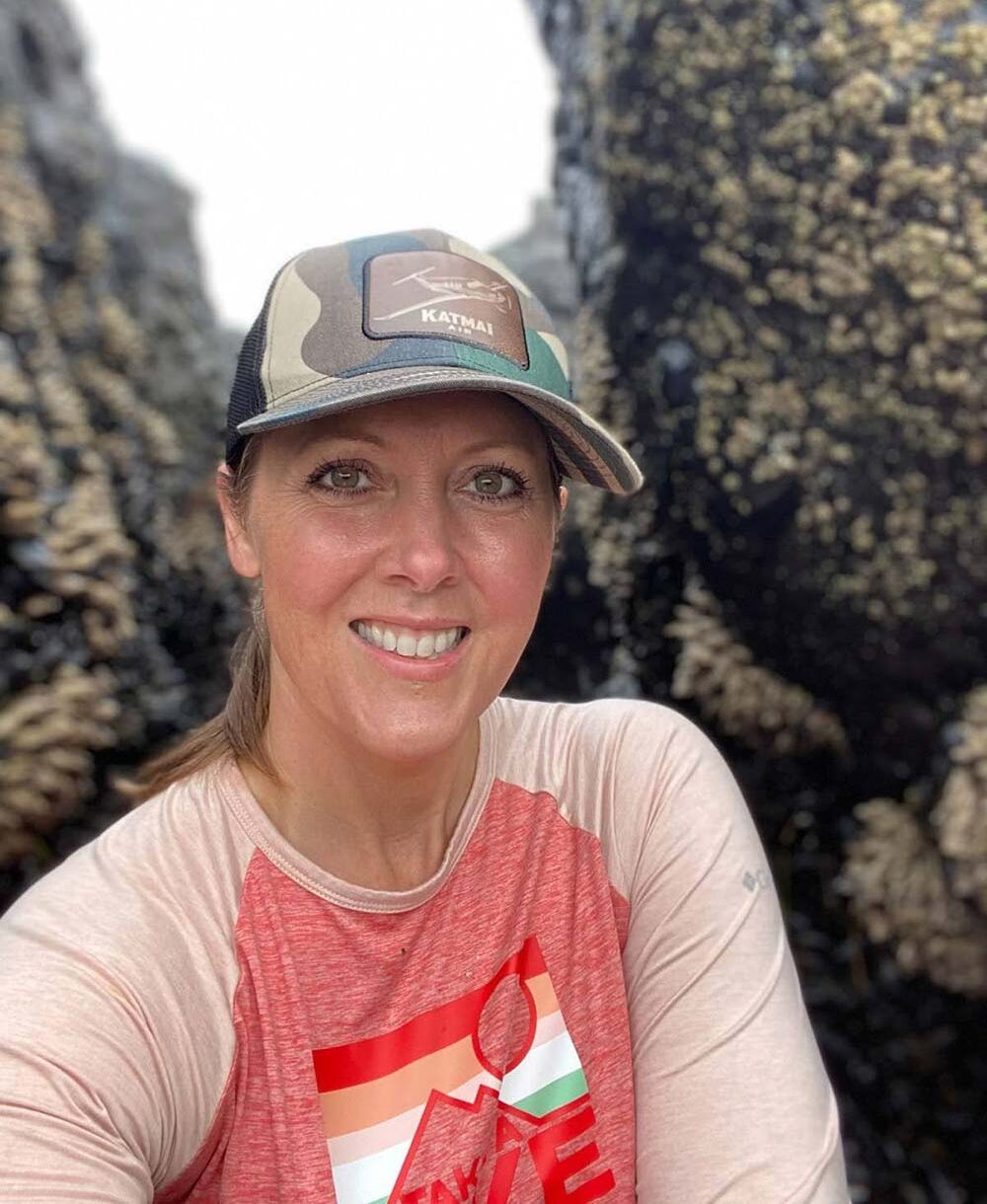
I’m April Christman, a licensed clinical social worker and therapeutic life coach with more than 18 years of clinical experience. I’m based in Bonners Ferry, Idaho, and I work with people across the country through online coaching. My style is down-to-earth, personal, and flexible. I want our conversations to be easy to understand and useful in the life you are living now.

I know what it is like to reach a point where the way you have been living no longer works. That is part of why I think of myself as a catalyst. I will walk alongside you, ask honest questions, and help you recognize what is keeping you stuck so you can decide what comes next.

What I offer:
It’s Sometimes Okay To Start Before You Have The Whole Answer.

Side profile of a smiling young man with a trimmed beard and stylish fade haircut, wearing a black jacket over a white turtleneck.

The Coaching Approaches We Might Use Together

I do not believe one approach fits every experience of chronic stress. We will look at what is happening, what you want to change, and what feels useful in your real life. From there, we may draw from several approaches and coaching tools based on what you need. These are some of the approaches we might use together.

If a specific experience continues to add to your stress, I may recommend discussing Online EMDR as a separate clinical service. We first talk about whether it fits your needs and whether coaching or clinical treatment is the more appropriate setting. EMDR may involve guided eye movements or tapping, but the work is paced around preparation, consent, and your ability to stay present.

What this can look like:

  • Clarifying which experience still feels active in the present.
  • Building grounding skills before any processing work begins.
  • Agreeing on pacing and checking that you remain within your capacity.
  • Reviewing how the experience is affecting daily life and stress now.

Chronic stress often grows around unclear expectations, automatic yeses, and the fear of disappointing someone. We work on saying what you need in a way that is direct, respectful, and realistic for the relationship.

In practice, that can mean:

  • Naming what you need before resentment builds.
  • Practicing a clear no without a long explanation.
  • Setting a limit and deciding how you will respond if it is challenged.
  • Noticing when you are taking responsibility for another person’s reaction.

Chronic stress can make even a useful goal feel like one more demand. We make the goal smaller, clearer, and connected to what you genuinely want rather than what you think you should be doing.

That can include:

  • Choosing one priority instead of trying to change everything at once.
  • Breaking a larger goal into a step you can take this week.
  • Planning for obstacles before they quietly stop the process.
  • Checking progress without turning the goal into another measure of your worth.

These terms can sound clinical, but the work is often simple. We notice what stress feels like in your body, practice returning attention to the present, and identify small actions that help you settle enough to make a choice.

In a session, that might include:

  • Slowing your breathing without forcing yourself to feel calm.
  • Using sight, sound, touch, or movement to reconnect with the present moment.
  • Noticing early signs such as jaw tension, shallow breathing, or restlessness.
  • Practicing a short pause before answering, agreeing, or reacting.

Thoughts and habits can keep stress going even after the immediate problem has passed. Cognitive behavioral tools help you notice the thought, test whether it is accurate or simply familiar, and choose a response that is more useful.

We may work on:

  • Recognizing all-or-nothing, worst-case, or perfectionistic thinking.
  • Testing a thought against what is happening now.
  • Replacing an automatic habit with a smaller, repeatable choice.
  • Using accountability to support change without relying on willpower alone.

The roles you have carried and the messages you learned about responsibility can shape the way you respond to pressure now. We look at those patterns with curiosity so you can decide which ones still fit and which ones you want to change.

This can involve:

  • Looking at where the pressure to do everything well first developed.
  • Noticing roles that repeat across work, family, and relationships.
  • Separating your current values from old expectations.
  • Making decisions that reflect who you are now.

You Can Learn To Notice The Pressure Earlier.

Where Chronic Stress Tends to Show Up

Chronic stress can affect how you think, relate, work, and recover. It may look different from one day to the next.


You may be moving from one person’s need to the next without ever getting to your own. Even when other people are capable, asking for help can feel harder than simply doing it yourself. Over time, that can leave you frustrated, resentful, and unsure where your responsibility ends. Coaching helps you look at how the load became yours and practice letting other people carry their part.
You may get time off and still not feel rested because your mind keeps planning, checking, and preparing. Your body slows down, but part of you is still waiting for the next thing that needs attention. Coaching helps you notice what keeps you on alert and build forms of rest that fit your real life rather than becoming another task to do correctly.
Stress can make conversation, affection, and ordinary contact feel like more than you have the energy for. You may go quiet, cancel plans, or have less patience, then feel guilty about the distance. Coaching gives you a way to name what is happening and communicate it more clearly, so you can protect your limits without disappearing from relationships that matter.
When your attention is stretched thin, even simple choices can feel loaded. You may replay what you said, worry that you missed something, or delay a decision because you want certainty that is not available. Coaching helps you separate what genuinely needs more thought from stress that keeps asking you to check again, then choose a next step you can stand behind.
After spending so much time responding to work, family, and the next urgent task, you may not know what you want anymore. Even a simple question about what would help can leave you blank. We slow the conversation down enough to notice what gives you energy, what drains it, and what still feels important to you underneath all the roles you have been carrying.
You may still be meeting deadlines and doing good work while feeling detached, irritable, or unable to switch off. Perfectionism, overcommitment, and unclear boundaries can make work occupy your thoughts even when the day is over. Coaching looks at the practical and personal patterns around work so you can make choices that protect your energy without pretending your responsibilities are not real.
Black and white close-up portrait of a woman with long dark hair, eyes closed, smiling and laughing in sunlight.
Black and white side profile portrait of a smiling Black man wearing round glasses, a button-down shirt, and suspenders, laughing cheerfully.

Understanding Chronic Stress and Mental Wellness

Chronic stress is not one diagnosis or one type of experience. It describes pressure that lasts long enough to affect how you think, feel, relate, and move through daily life.

Stress may become chronic when the pressure continues without enough time or support to recover.

  • The same demands continue across weeks or months.
  • Work, caregiving, finances, or relationship concerns overlap.
  • Your mind keeps reviewing problems during time off.
  • Sleep or rest does not leave you feeling restored.
  • The ways you usually cope no longer feel sufficient.

Stress can show up physically and mentally, sometimes before you connect the symptoms to the pressure you are under.

  • Trouble falling asleep, staying asleep, or waking rested.
  • Tension in the jaw, shoulders, chest, or stomach.
  • Headaches, digestive changes, or feeling generally run down.
  • Difficulty concentrating, remembering, or making decisions.
  • Irritability, emotional numbness, or less interest in usual activities.

People do not respond to the same stress in the same way. The amount of support, recovery time, and previous strain all matter.

  • Past experiences that taught you to stay alert or take care of everyone.
  • Expectations connected to work, family, identity, or responsibility.
  • The amount of practical and emotional support available to you.
  • Whether you get genuine breaks between difficult periods.
  • Other physical or mental health concerns that may need separate care.

Chronic stress can make every part of the day feel decided for you. A sense of choice often returns through small, specific changes.

  • Identify one or two things within your control today.
  • Choose a routine you can repeat instead of changing everything at once.
  • Say no or ask for help in one situation where it is needed.
  • Notice what is already working, not only what remains unfinished.
  • Revisit the plan when your responsibilities or energy change.

Holistic coaching means we look at the context of your whole life rather than treating chronic stress as an isolated problem.

  • Daily routines, rest, and the way you use your time.
  • Relationships, communication, and the roles you carry.
  • Physical signs that tell you pressure is building.
  • Values and goals that matter to you now.
  • Practical changes that can be tested and adjusted in daily life.

What to Expect in Your First Conversation

Your first conversation is a free 20 to 30 minute consultation, not a commitment.

From there:

By the end, you should have a clearer sense of whether therapeutic life coaching fits what you need right now and what working together would look like.

A First Conversation Can Help You Sort Out The Next Step.

Frequently Asked Questions About Therapeutic Life Coaching for Chronic Stress

Therapeutic life coaching focuses on how chronic stress is affecting everyday life, including routines, work-life balance, personal relationships, energy, and decision-making. Coaching supports mental wellness by helping you identify patterns, set realistic goals, and turn broad intentions into manageable steps.

Coaching for Stress and Wellness

Life coaching benefits can include stronger coping skills, emotional awareness, healthier habits, communication skills, personal empowerment, and a clearer sense of direction. Coaching can be a powerful complement to therapy, but coaching does not replace clinical treatment for mental health problems, significant symptoms, diagnosed disorders, or other concerns that need medical or mental health care.
Therapy and counseling are clinical services that can assess and treat mental health problems, symptoms, and disorders. Coaching sessions focus more directly on present-day goals, coping strategies, decisions, communication, and practical changes you can use in daily life.

Mental Health Coaching and Life Coaching

Terms such as mental health coaching, health and wellness coaching, and therapeutic life coaching are used by different life coaches and coaching programs, so training and scope can vary. April’s clinical background shapes how she listens, while coaching supports personal growth without providing diagnosis or replacing therapy when clinical treatment is needed.
Life coaches can help with challenging issues when the concern fits a coaching scope, and you are stable enough to reflect, practice skills, and make changes. That may include chronic stress, anxiety connected to daily pressure, life transitions, racing thoughts, boundaries, personal relationships, and goals that feel hard to manage.

What Coaching Supports

Coaching focuses on emotional awareness, choices, coping skills, and practical tools. Some people also notice stress-related patterns such as emotional eating, withdrawal, or overcommitment daily. Coaching can help you build skills and resilience, but it does not diagnose anxiety disorders or replace therapy, medication management, crisis support, or medical care.
The International Coaching Federation, often called the ICF, publishes professional standards, ethics guidance, and credentialing pathways for life coaching. Because coaching programs vary, it is reasonable to ask about training, scope, confidentiality, and how a coach responds when someone needs a different level of care.

Why the ICF Matters in Life Coaching

ICF standards can help people understand what professional coaching may include, but one credential does not answer every question about fit. April’s work is shaped by her LCSW background, more than 18 years of clinical experience, and a clear distinction between coaching and clinical treatment.

What a Holistic Life Coach Looks At

Holistic coaching considers personal growth in the context of emotional patterns, physical signs of stress, daily routines, personal relationships, life transitions, communication skills, values, and management goals. The purpose is to connect practical change with the life you are actually living.
Coaching approaches are chosen around what is creating pressure, what you want to change, and what feels useful in your actual life. Stress management coaching may include goal setting, accountability, emotional regulation, communication and boundary work, mindfulness, nervous system awareness, cognitive behavioral tools, and regular check-ins.

Coaching Approaches for Stress Management

The goal is to build skills you can use outside coaching sessions. That may mean setting realistic goals, creating healthy routines, finding manageable steps during a life transition, practicing coping strategies, or learning to regulate your nervous system before responding. These practical tools support mental and emotional wellness, personal empowerment, and strategies to restore a greater sense of balance.
Continuous or unrelenting stress can affect sleep, energy levels, concentration, cognitive function, mood, and the ability to recover between demanding days. Long-term stress may also appear through physical symptoms such as muscle tension, digestive issues, headaches, racing thoughts, irritability, or feeling generally run down.

Stress, Chronic Health, and Physical Symptoms

Stress can make chronic illness or existing health issues harder to manage, but physical symptoms should not automatically be blamed on stress. A weakened immune system, persistent pain, digestive changes, or frequent illness can have many causes and deserve medical assessment. Coaching can support healthy routines, coping skills, and managing stress, but it does not diagnose or treat physical health conditions.
Coaching for occupational burnout can be useful when work pressure, perfectionism, overcommitment, or constant responsibility are leading to exhaustion or burnout. You may still be performing well while your energy levels, focus, patience, physical health, and work-life balance are getting worse.

Coaching for Occupational Burnout

Stress management coaching looks at workload, boundaries, unhelpful thought patterns, recovery time, and the beliefs that make it hard to step back. We may set realistic goals, practice a clearer response to requests, build healthier routines, and decide what truly needs your attention. Coaching cannot remove every workplace demand, but it can support managing stress with more choice and clarity.
Relationship and family stress can become part of chronic stress when conflict, caregiving, emotional responsibility, or unclear expectations continue without enough recovery. Life transitions and uncertainty can add another layer because routines, roles, finances, and personal relationships may all be changing at once.

Relationship and Family Stress

Communication skills, emotional awareness, and boundaries may become part of the coaching work. We can look at guilt, resentment, withdrawal, emotional triggers, or mood swings and consider what those patterns are communicating. Intense or persistent mood swings can have other causes and may need clinical assessment. Coaching focuses on building skills, asking for support, and making choices that protect your capacity.
I do not provide ADHD evaluation through coaching or diagnose and treat PTSD. Overwhelm, disorganization, emotional regulation difficulties, sleep changes, and ongoing stress can overlap with ADHD, trauma, anxiety disorders, depression symptoms, bipolar disorder, chronic illness, and other mental health problems, but symptoms alone do not confirm a diagnosis.

Emotional and Behavioral Challenges

Coaching supports everyday life concerns such as routines, goals, coping skills, communication, personal growth, and manageable steps. It may be a powerful complement when you are also working with an appropriate healthcare or mental health provider, but coaching does not replace treatment for mental disorders or significant emotional and behavioral challenges. April can discuss scope during the consultation.
Coaching may help reduce anxiety and overwhelm when the concern is connected to ongoing stress, racing thoughts, emotional triggers, overcommitment, or habits that keep the pressure going. The work can include emotional awareness, coping strategies, communication skills, regular check-ins, and practical tools for daily life.

Building Emotional Resilience

You may practice how to regulate your nervous system, pause before reacting, navigate emotional moments, and build healthier responses. Coaching supports mental wellness, emotional resilience, personal empowerment, and stress reduction. It does not treat anxiety disorders, bipolar disorder, depression symptoms, or severe emotional or behavioral challenges, so clinical mental health care may still be the appropriate next step.
Identifying personal stress means noticing the situations, expectations, emotional triggers, thoughts, and body cues that increase pressure for you. Stress affects people differently, so useful coping strategies begin with understanding what happens before you feel overwhelmed, shut down, or unable to focus.

Developing Mindful Coping

Mindful coping can include tracking racing thoughts, changes in energy, tension, emotional patterns, and the moments when you automatically say yes. From there, coaching focuses on one or two manageable steps, such as a clearer boundary, a healthy routine, a grounding pause, or a conversation you have been avoiding. Regular check-ins show what helps daily and what needs to change.
Mindfulness practices and grounding bring your attention back to what is happening now instead of letting ongoing stress pull you into the next problem. Breathing and relaxation exercises can create a brief pause when stress feels intense, especially when racing thoughts or physical tension make it hard to think clearly.

Mindfulness Practices and Grounding

In coaching sessions, this may include slower breathing, noticing your feet on the floor, using sight or sound to orient to the room, or choosing a small movement that helps you feel present. These coping strategies may support reduced anxiety and overwhelm, emotional regulation, mental clarity, and stress reduction. They are tools for creating choice, not a promise that every symptom will disappear.
The mind-body connection describes how thoughts, emotions, and physical sensations can affect one another. Somatic, or mind-body, awareness means noticing how stress feels in your body, such as shallow breathing, jaw tension, restlessness, heaviness, or the urge to pull away.

Somatic Awareness and the Mind-Body Connection

These observations can help you recognize emotional triggers and physical symptoms before the pressure becomes overwhelming. They also give us concrete information about which coping skills feel useful and which situations need a different response.

Nervous System Regulation

Nervous system regulation means using practical strategies to create enough steadiness to make a choice. We may use grounding, breathing, movement, emotional awareness, or a pause before responding. Learning to regulate your nervous system can support communication, personal relationships, and stress management goals, but it is not medical treatment.

Cognitive behavioral tools help you notice unhelpful thought patterns and how they influence feelings and actions. Cognitive-behavioral coaching strategies may examine all-or-nothing thinking, perfectionism, worst-case predictions, or the belief that you must handle everything before you are allowed to rest.

Habit Restructuring and Accountability

Habit restructuring turns stress reduction strategies into smaller, repeatable choices. You may set goals, test a different response, build healthier habits, and use accountability or regular check-ins to support follow-through. Stress management techniques are kept realistic so healthy routines can work in daily life. The purpose is to build skills and resilience, strengthen personal empowerment, and adjust the plan when life changes.

Pricing

  • Single session: $240 for 50 to 60 minutes.
  • Five-session package: $1,049.

Payment

  • Accepted payment methods: Square, Venmo, and Apple Pay.

Scheduling

  • Appointments are available at varying times Monday through Friday, with limited evening hours.
  • April prefers a regular weekly or biweekly day and time, with flexibility when needed.
  • Appointments are scheduled in Pacific Time.
  • A free 20 to 30 minute consultation is available before you commit.

Location and Session Format

  • In-person office: 6451 McCall Street, Unit D, Bonners Ferry, Idaho 83805.
  • The office is across from Super 1 Foods, behind Safeway, and next to Beck’s Furniture.
  • A small parking lot is available behind the office strip.
  • SPOT buses provide on-request service in the Bonners Ferry area.
  • Online coaching is available across the United States through Zoom or another agreed-upon method.
Person wearing a yellow beanie and green puffer jacket sitting on a mossy rock by a lake with bare feet dipping into the water beneath a large tree.

Talk to a Life Coach About Chronic Stress Today

You Do Not Have To Solve All Of This By Yourself.

A free 20 to 30 minute consultation gives you a chance to explain what has been happening, ask questions, and decide whether working with me feels like a good fit. There is no pressure to commit on the call.
A winding stone pathway leading through a lush tropical garden filled with palm trees and vibrant green foliage toward a green gazebo.

You Can Begin With One Honest Conversation.

Let's Get Started

Your information will NEVER be sold, shared, or use for any reason other than to contact you directly and is stored in accordance with our HIPAA and Privacy Policy.